
Capabilities At a glance
CNC machining in Auburn, WA
When a part needs a tighter tolerance than a cut edge gives, or a feature that only goes partway into the material, we machine it on a CNC mill. Machining sits on the same campus as our lasers, press brakes and welders, so the part doesn’t leave the shop between operations.
ISO 9001:2015Automatic tool changersMill test reports
At a glance
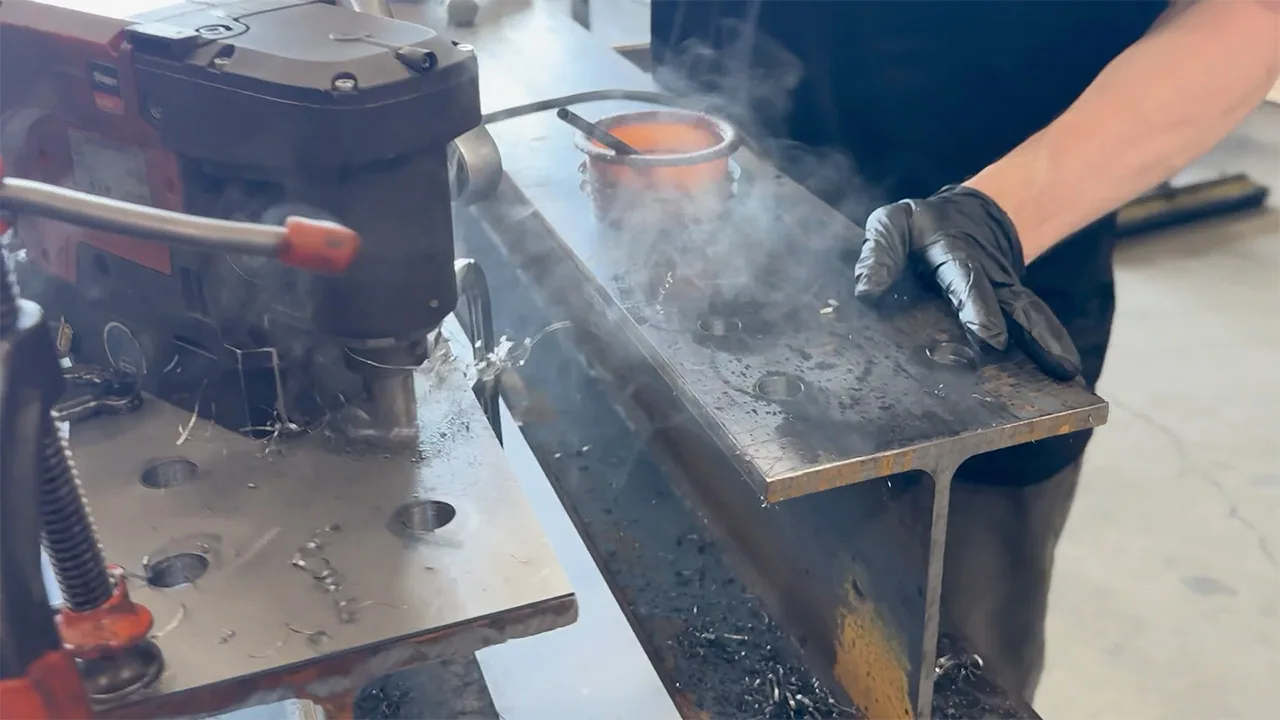
Drilling to tapping in seconds, with the tooling changed by the machine.
What CNC milling is good for
Tight tolerances and many call-outs
We use CNC milling for very tight tolerances and for taking material off only part of a surface. Our CNC mills change tools automatically, so a drawing with drilled, tapped and milled call-outs runs as one program. We don’t stop to swap tooling by hand, which saves time and money on parts with a lot of different features.
- Tapped and countersunk holes in laser-cut blanks and formed parts
- Partial-depth features, where only some of the material comes off a surface
- Structural members on one of the region’s few large-format CNC mills built for HSS, wide-flange beams, I-beams and channels
- Notching, slotting, coping and weld preps for fit-up before welding
Read more about HSS and beam processing.
What to send us
Put the call-outs on the drawing
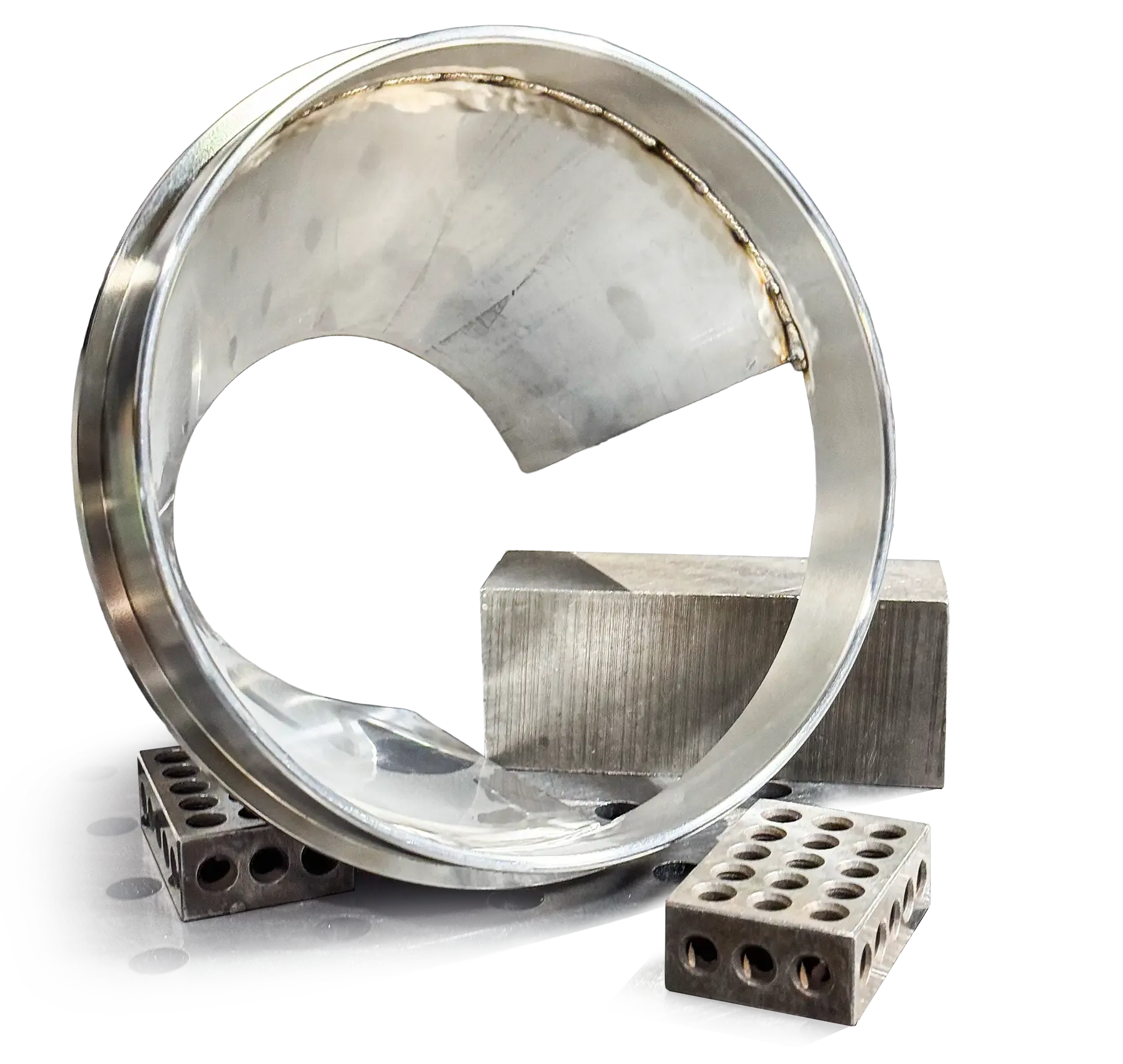
Send a STEP file or solid model with a shop drawing. Mark the dimensions and tolerances that matter, hole sizes and thread call-outs, and any secondary processes like tapping, machining or countersinking. Flag the critical features and inspection points so we know what to check. If you want to talk tolerances before you send anything, call us.
Machining usually comes after laser cutting or press brake forming, and before welding and finishing. Doing all of it here means fewer handoffs between suppliers. For parts you reorder, we can build ahead under an OEM stocking program so they’re ready when you need them. See every process on the capabilities page.
Let’s Chat
From first-stage processing to finished assemblies, we’re your partner for contract manufacturing.
CNC machining FAQs
When should a part be machined instead of laser cut?
Can you machine parts you also cut, form and weld?
Can you machine structural steel like HSS and beams?
What should I include on a drawing for machined parts?
Do you machine prototypes and production runs?
Capabilities
More of what we do
Laser cutting
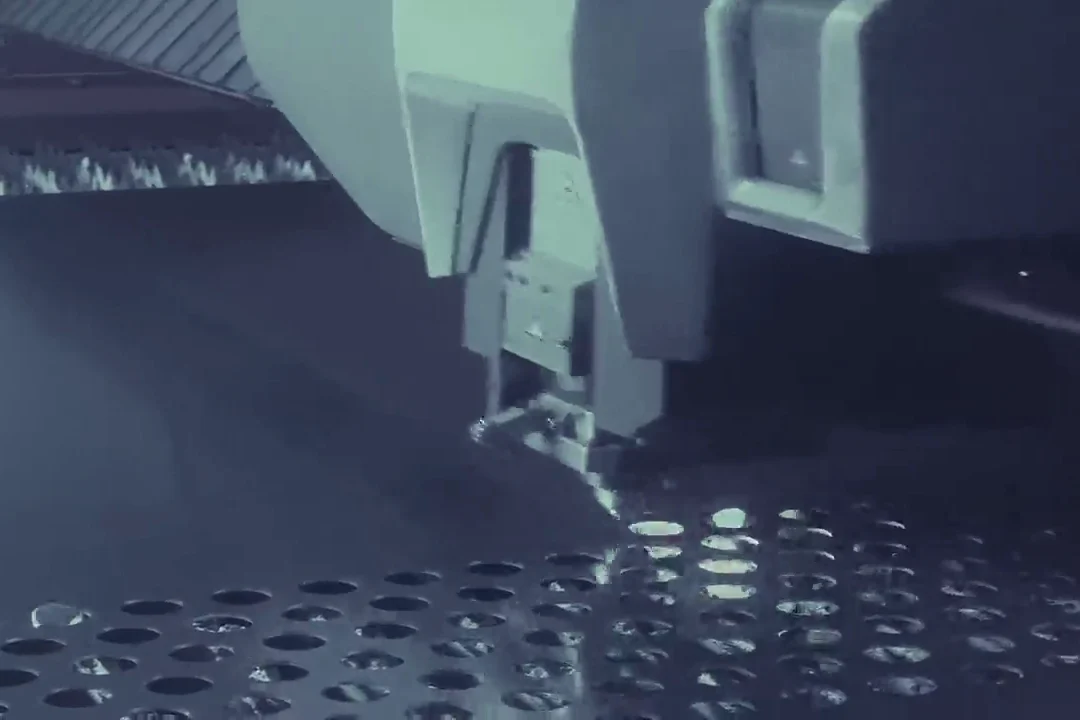
Steel, stainless and aluminum cut on a 30 kW laser with automated load and unload, from one prototype to production runs.
Press brake forming
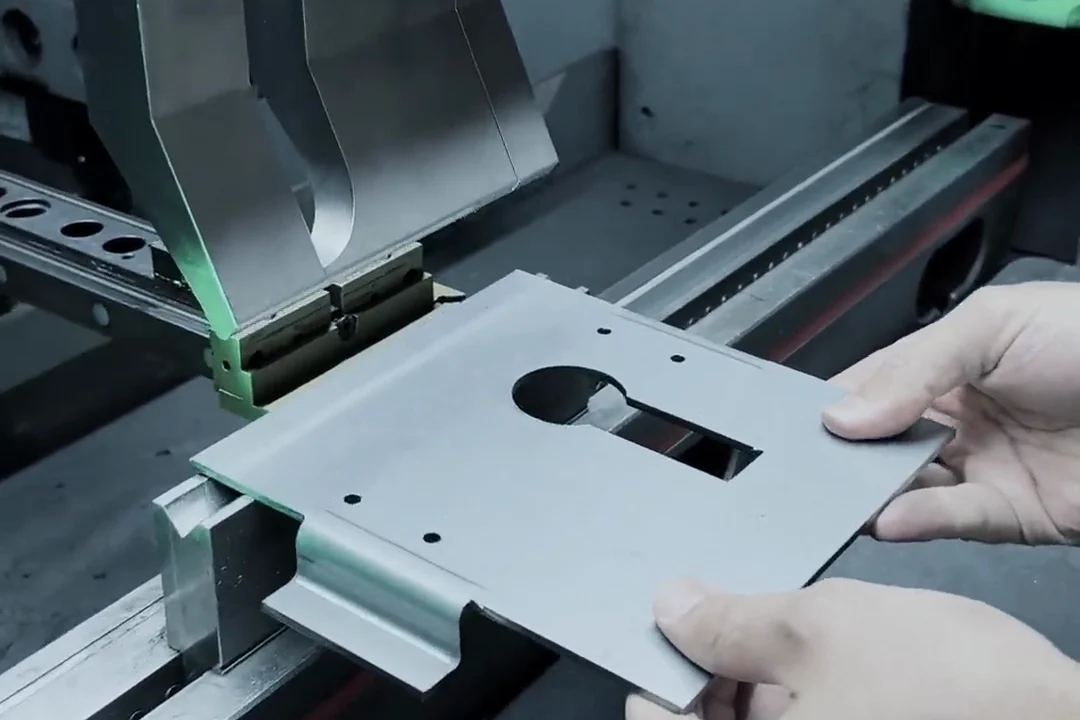
Over 14 feet of bending capacity on our press brakes, from light sheet metal to heavy plate, simple brackets to complex geometry.
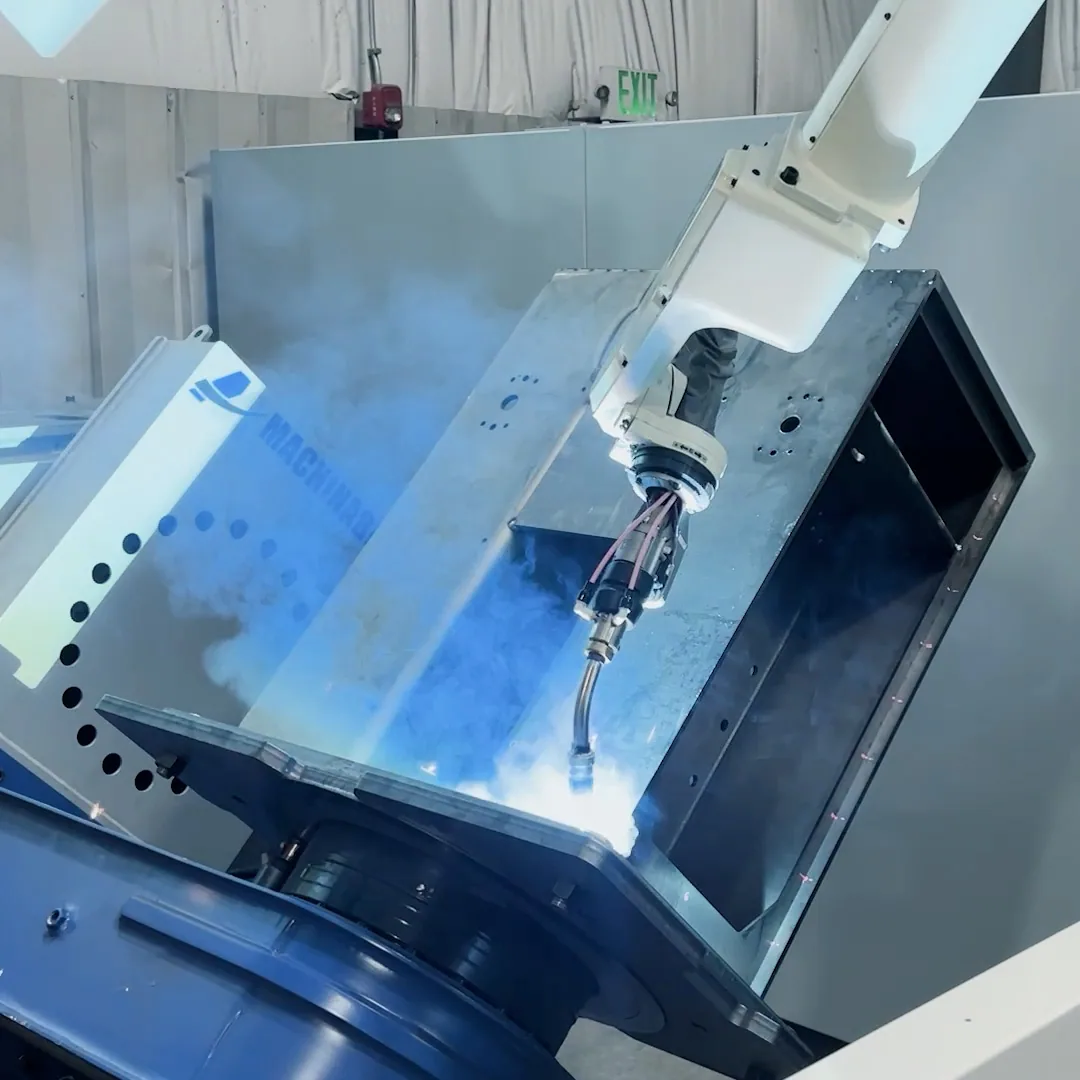
Welding
MIG, TIG and laser welding by hand, and four robotic welders, including a 62-foot system, for production runs and long assemblies.
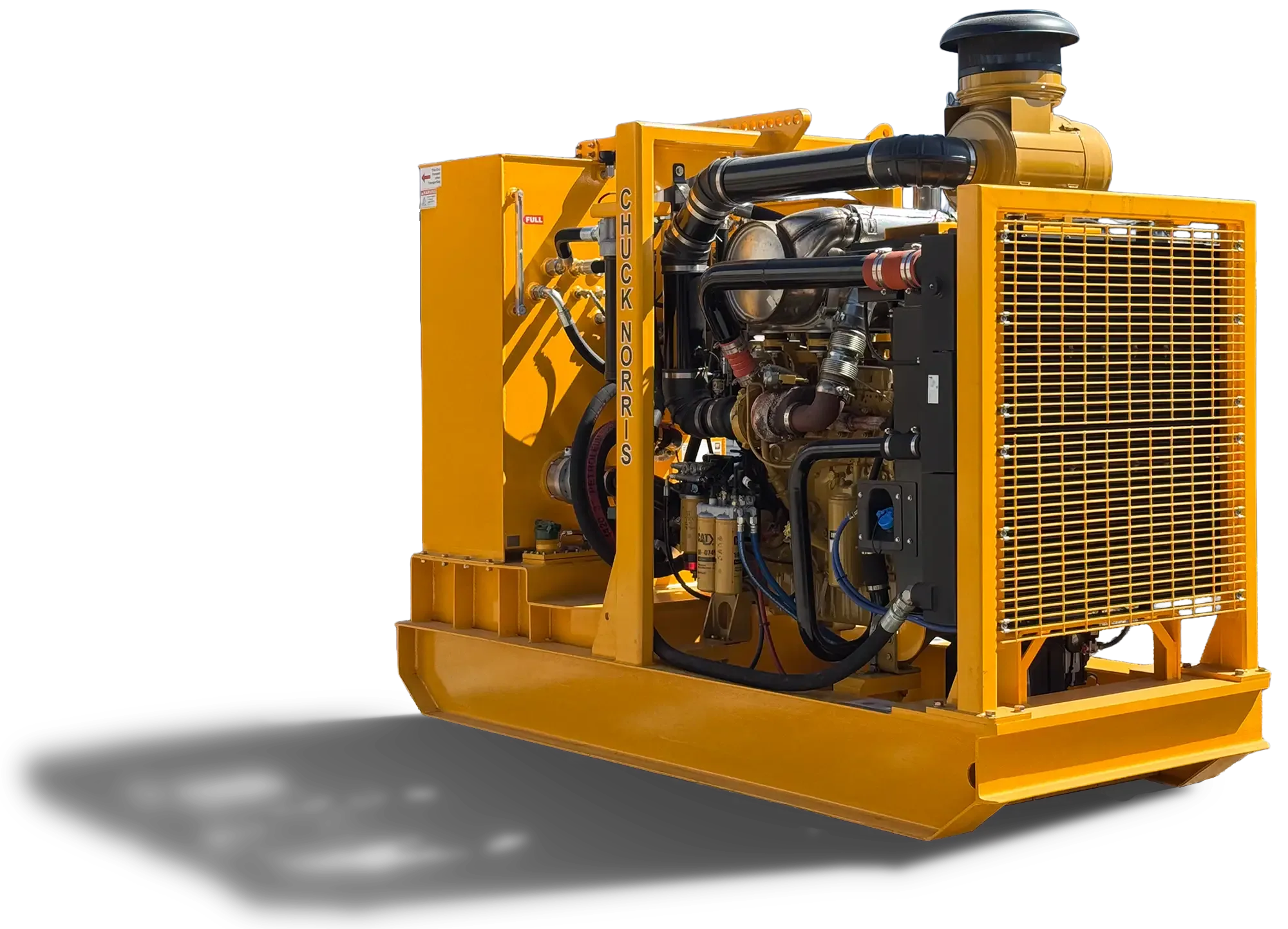
Industrial painting
Industrial priming and wet paint in our own booth, for parts and weldments up to about 40 by 15 feet.
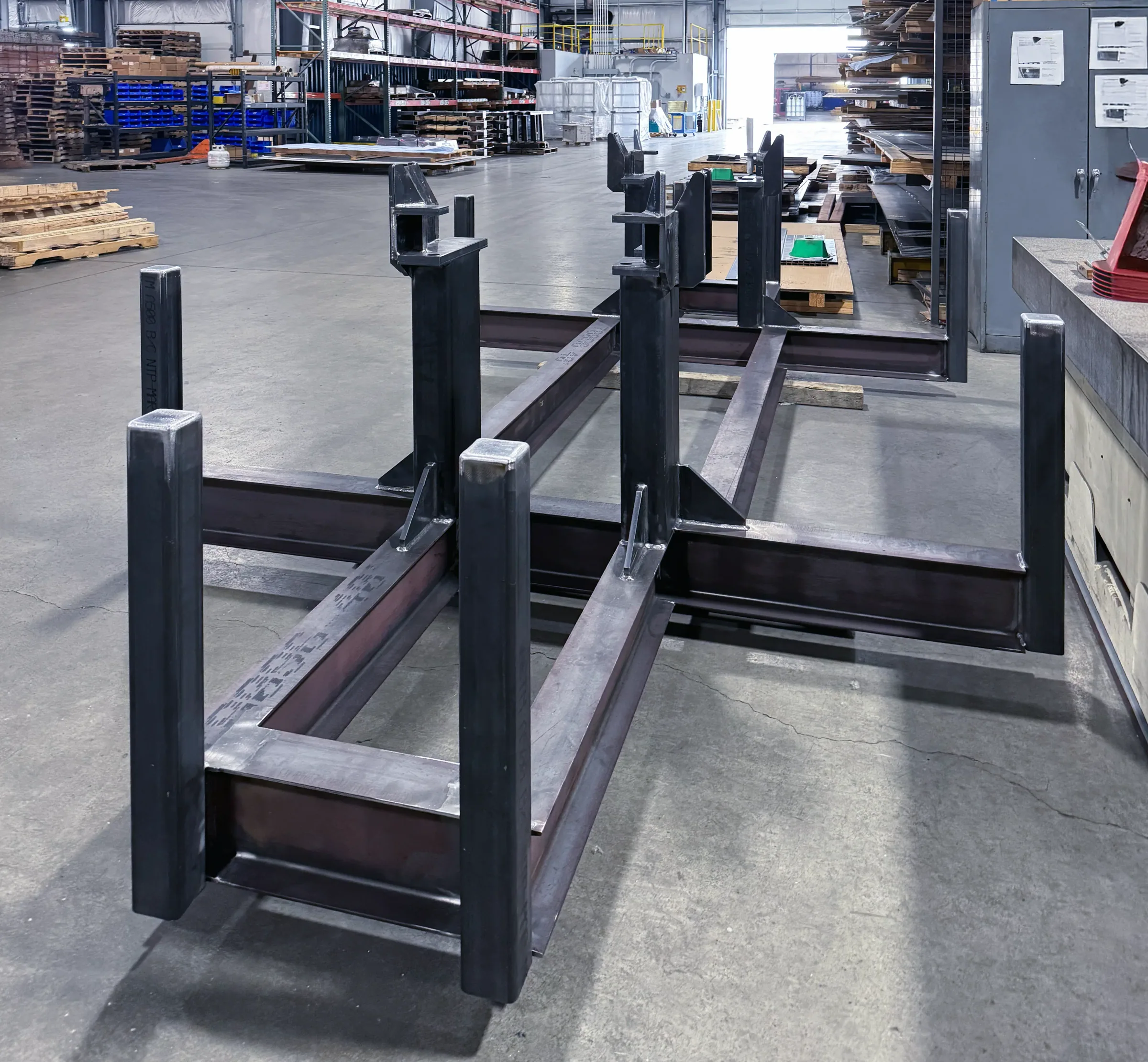
HSS & structural steel
Cutting, coping, drilling and milling of HSS, wide flange beams, channels and other structural members.
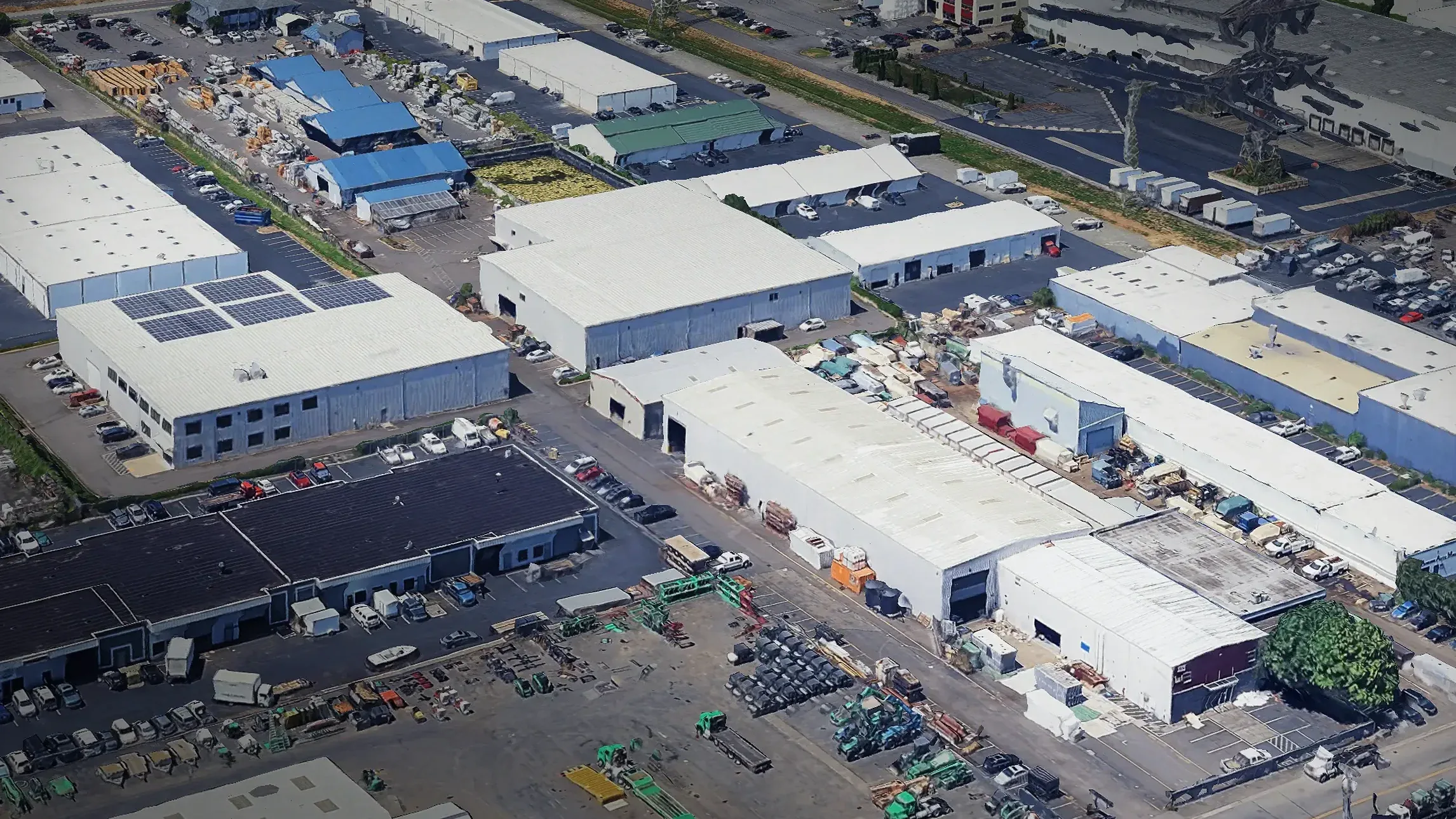
All capabilities
Laser cutting, machining, forming, welding, painting and assembly on one campus in Auburn, WA, with finishing through trusted partners.