
Capabilities Laser cutting
Laser cutting in Seattle and Auburn, WA
LCNW started in 1998 as Laser Cutting Northwest, and laser cutting is still the first operation on the route through our Auburn, WA shop. We cut steel, stainless and aluminum flat patterns from your files, one part or thousands, and send them on to forming, welding and finishing under the same roof.
ISO 9001:201530 kW laserMill test reports
At a glance
The largest laser in the Northwest, running around the clock.
- Largest laser in the NW USA
- 30 kW
- Max sheet (8 × 20 ft)
- 96″ × 240″
- Steel
- 1.75″
- Aluminum & stainless
- 1.5″
What laser cutting is good for
Flat patterns, fast and accurate
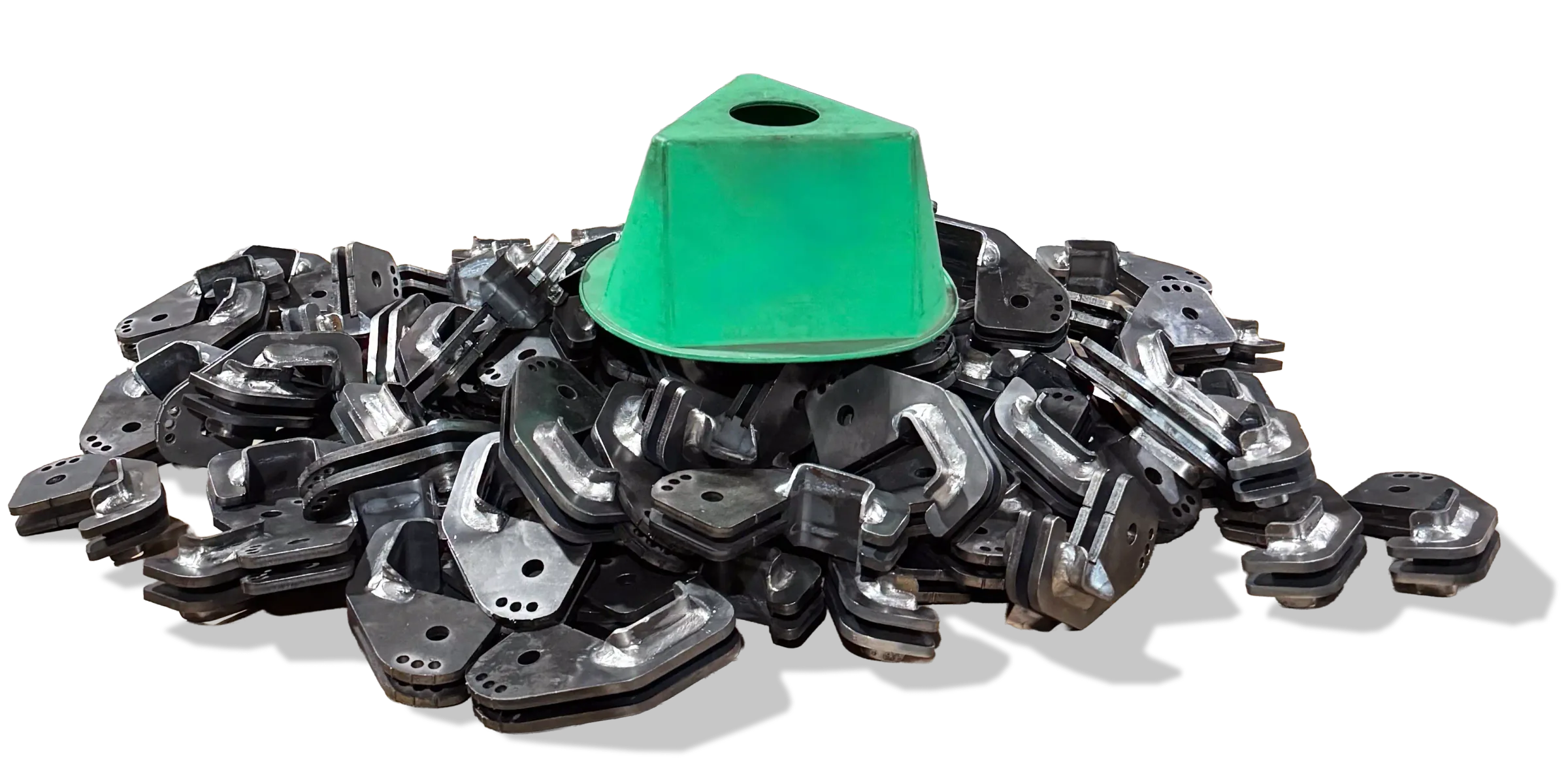
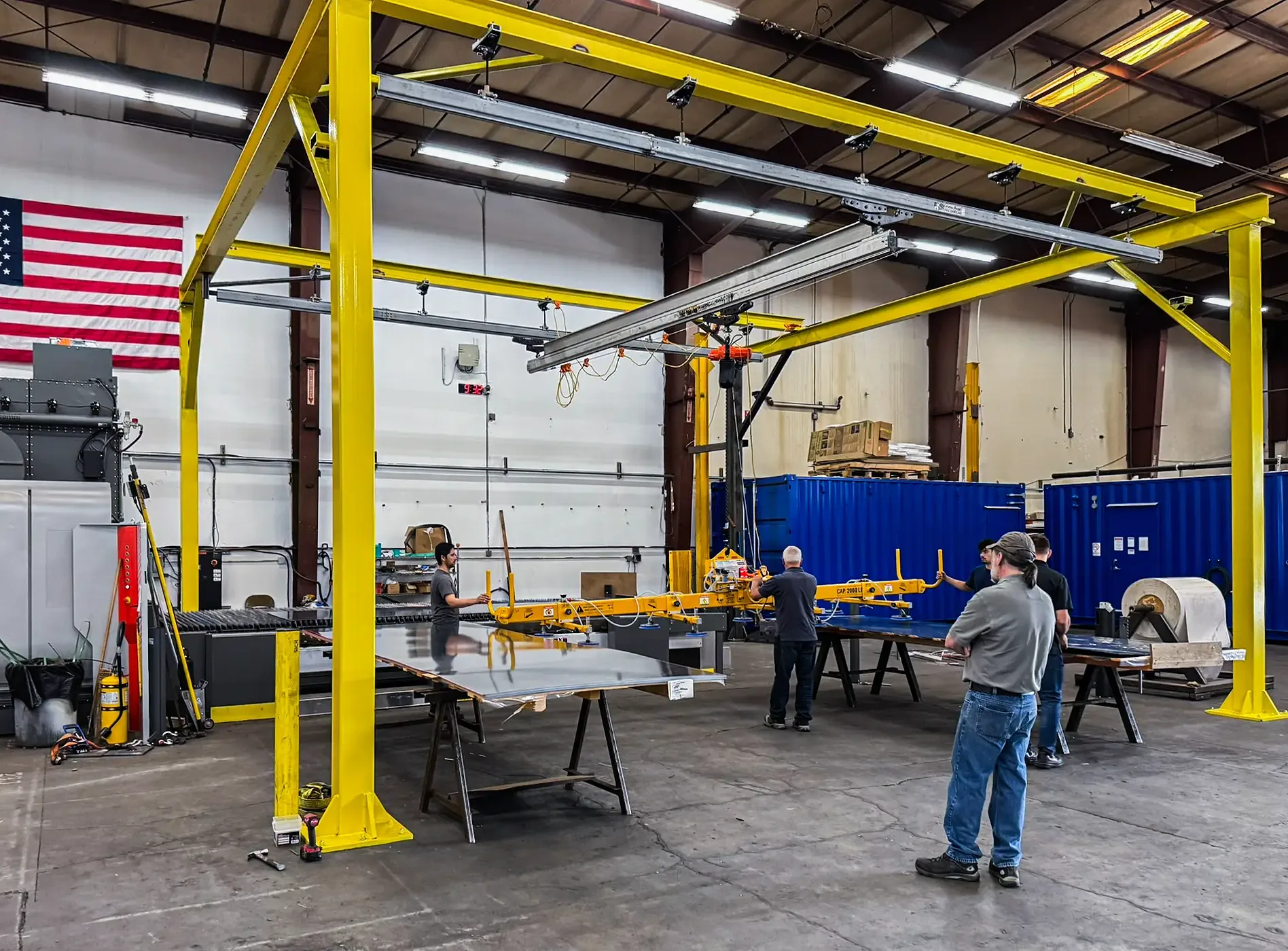
Laser cutting is one of the quickest ways to make an accurate flat part. We nest many parts on a single sheet, so less material goes to scrap. With automated loading and unloading, our lasers run 24/7, so we can keep lead times short on big runs.
- Sheets up to 8 × 20 ft, in steel up to 1.75″ and stainless or aluminum up to 1.5″
- Prototypes and production on the same machines, so the first article and the thousandth part come off the same program
- Deburred edges as shop standard, with an edge break on our automatic deburring machines when parts will be handled or coated
- Etched part numbers on a separate layer of your file, so parts are easy to sort in the field
Want to know what a blank weighs, or how many fit on a sheet? Try the sheet and plate weight and nesting tool.
What to send us
From your file to the next operation
STEP, DXF, DWG and solid models are ideal. We can review a scanned or marked-up drawing, but we’ll need CAD files or 3D models, along with shop drawings, for production. Note the material, thickness, quantity and finish, and we’ll check the part for manufacturability before we quote.
Most cut parts keep moving through the shop. We bend them on our press brakes, add tapped holes and milled features in CNC machining, and weld them into assemblies in our welding building. Finishes such as powder coating, plating and galvanizing go through our finishing partners. Some shops buy the cut and formed blanks, kitted by job, and do the welding themselves.
For parts you reorder on a schedule, we can build ahead under an OEM stocking program. See every process on the capabilities page.
Let’s Chat
From first-stage processing to finished assemblies, we’re your partner for contract manufacturing.
Laser cutting FAQs
How thick a plate can you laser cut?
What file types do you need for laser cutting?
Do laser-cut parts need deburring?
Do you cut prototypes or only production runs?
Should I choose laser cutting or waterjet?
Where is your laser cutting shop?
Capabilities
More of what we do
CNC machining
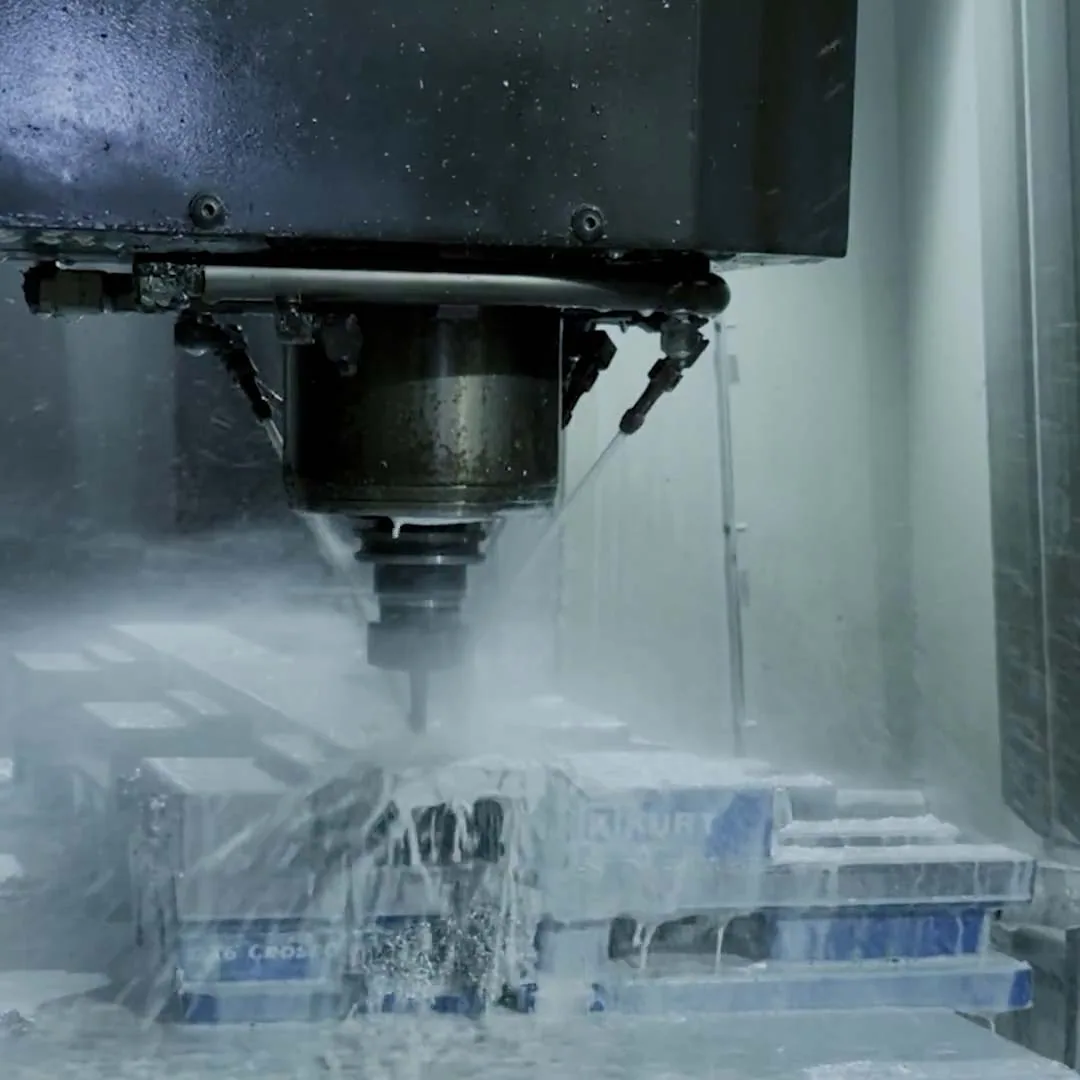
CNC milling for tight tolerances, tapped holes and partial-depth features, on parts we cut and form here or on your own stock.
Press brake forming
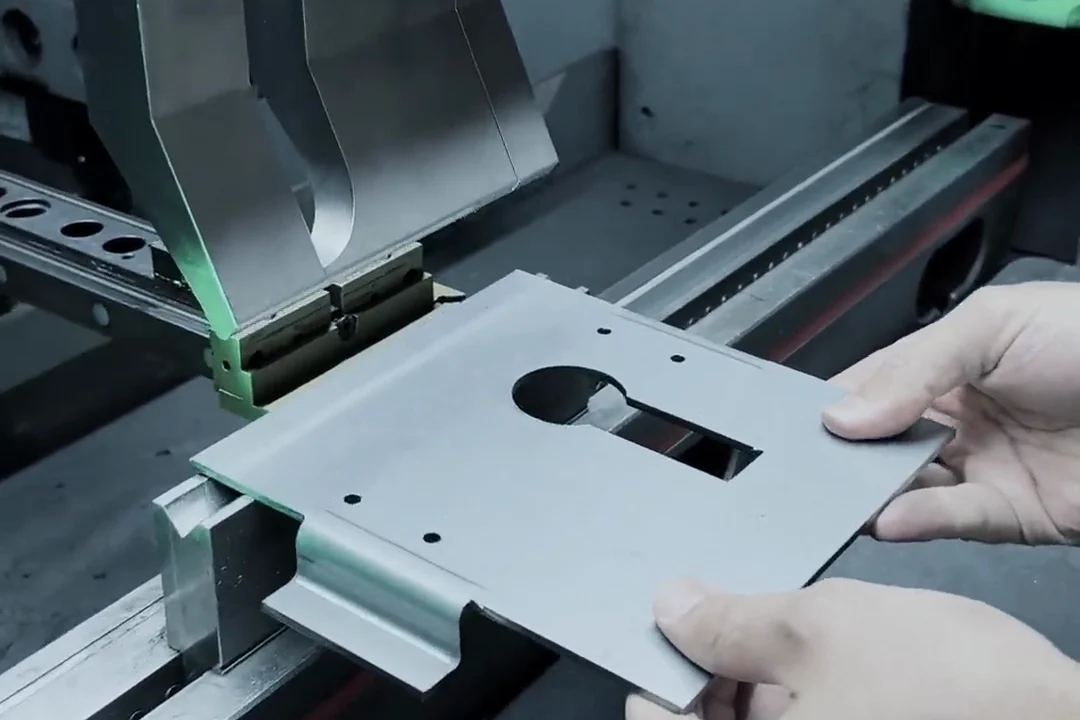
Over 14 feet of bending capacity on our press brakes, from light sheet metal to heavy plate, simple brackets to complex geometry.
Welding
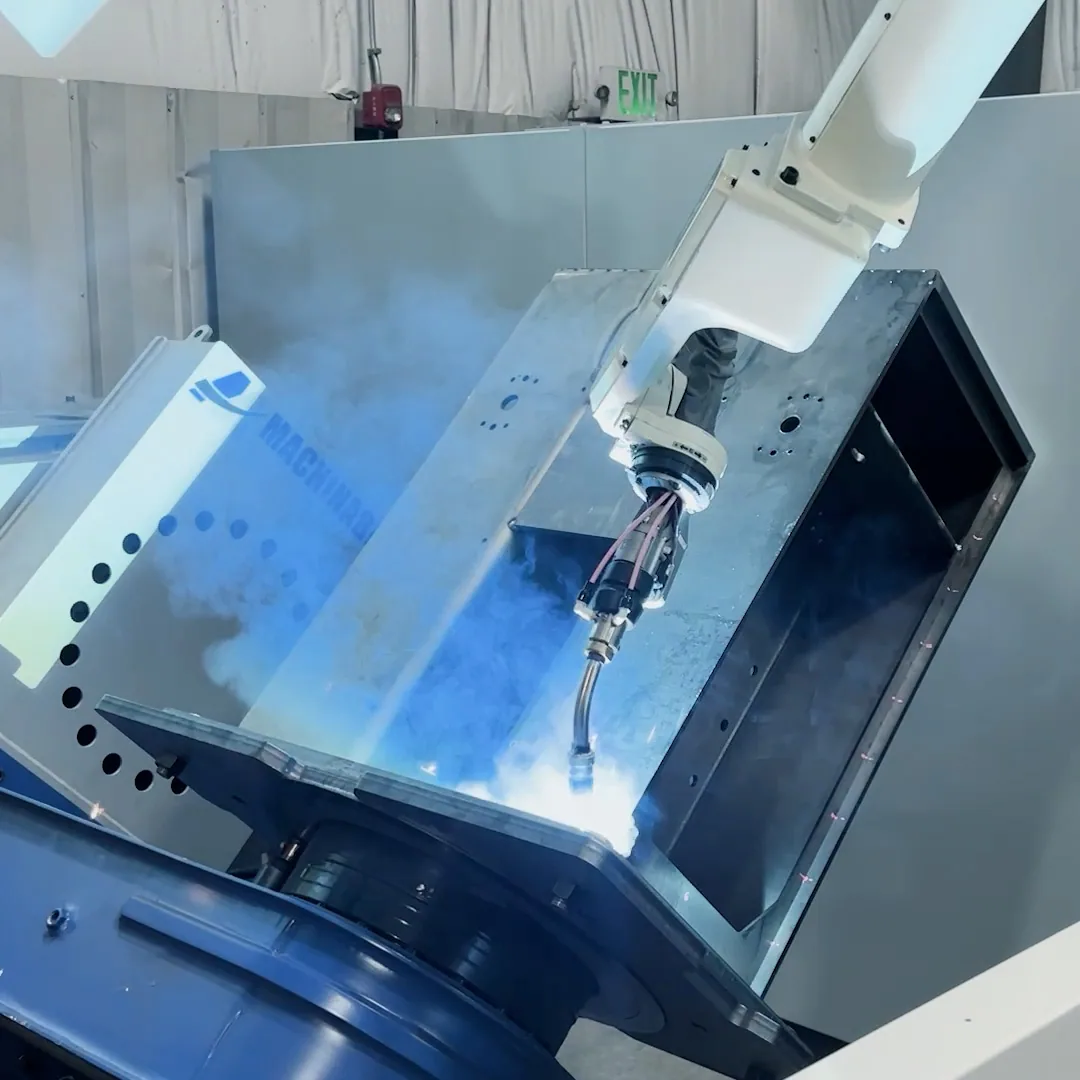
MIG, TIG and laser welding by hand, and four robotic welders, including a 62-foot system, for production runs and long assemblies.
Industrial painting
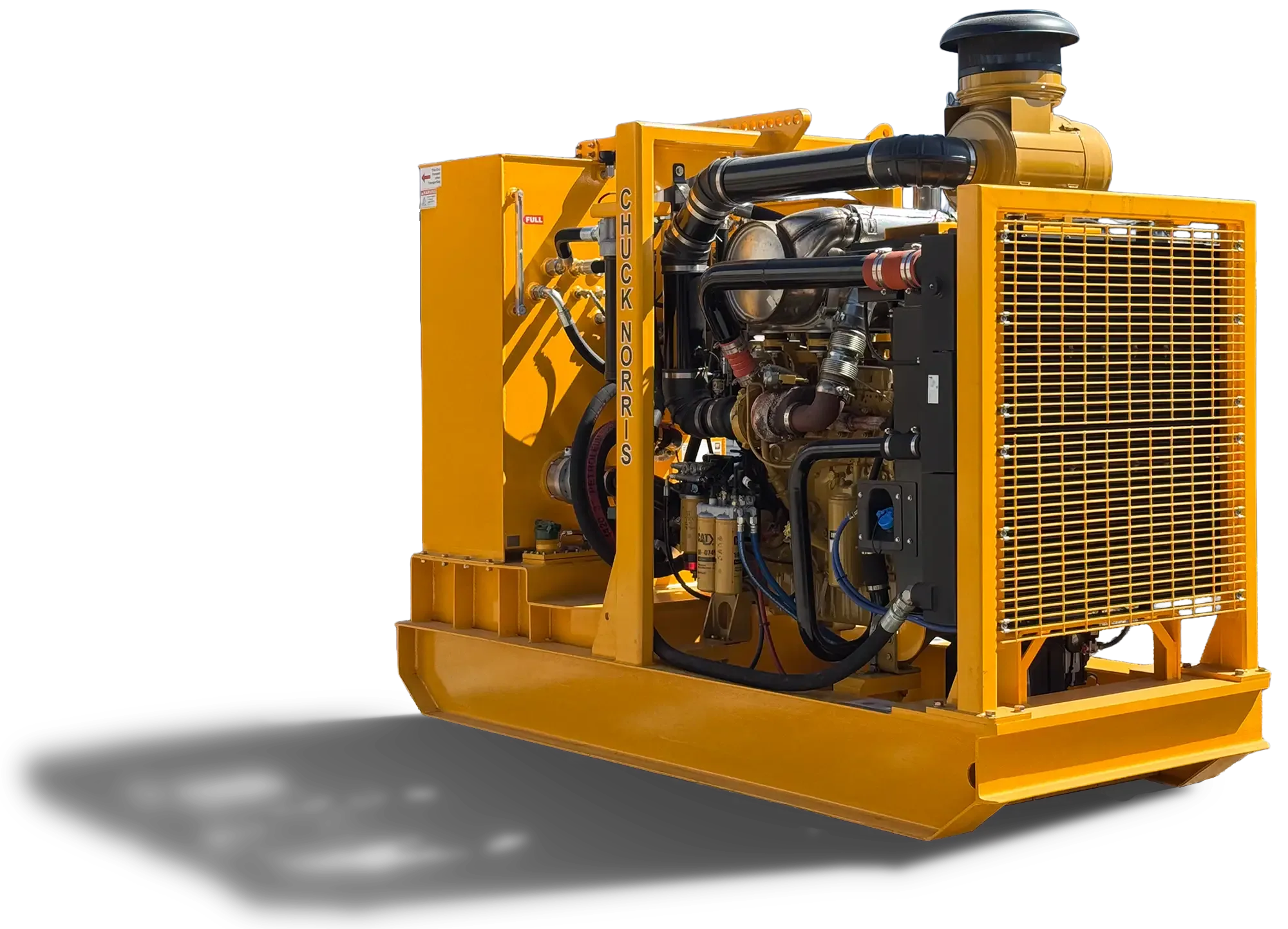
Industrial priming and wet paint in our own booth, for parts and weldments up to about 40 by 15 feet.
HSS & structural steel
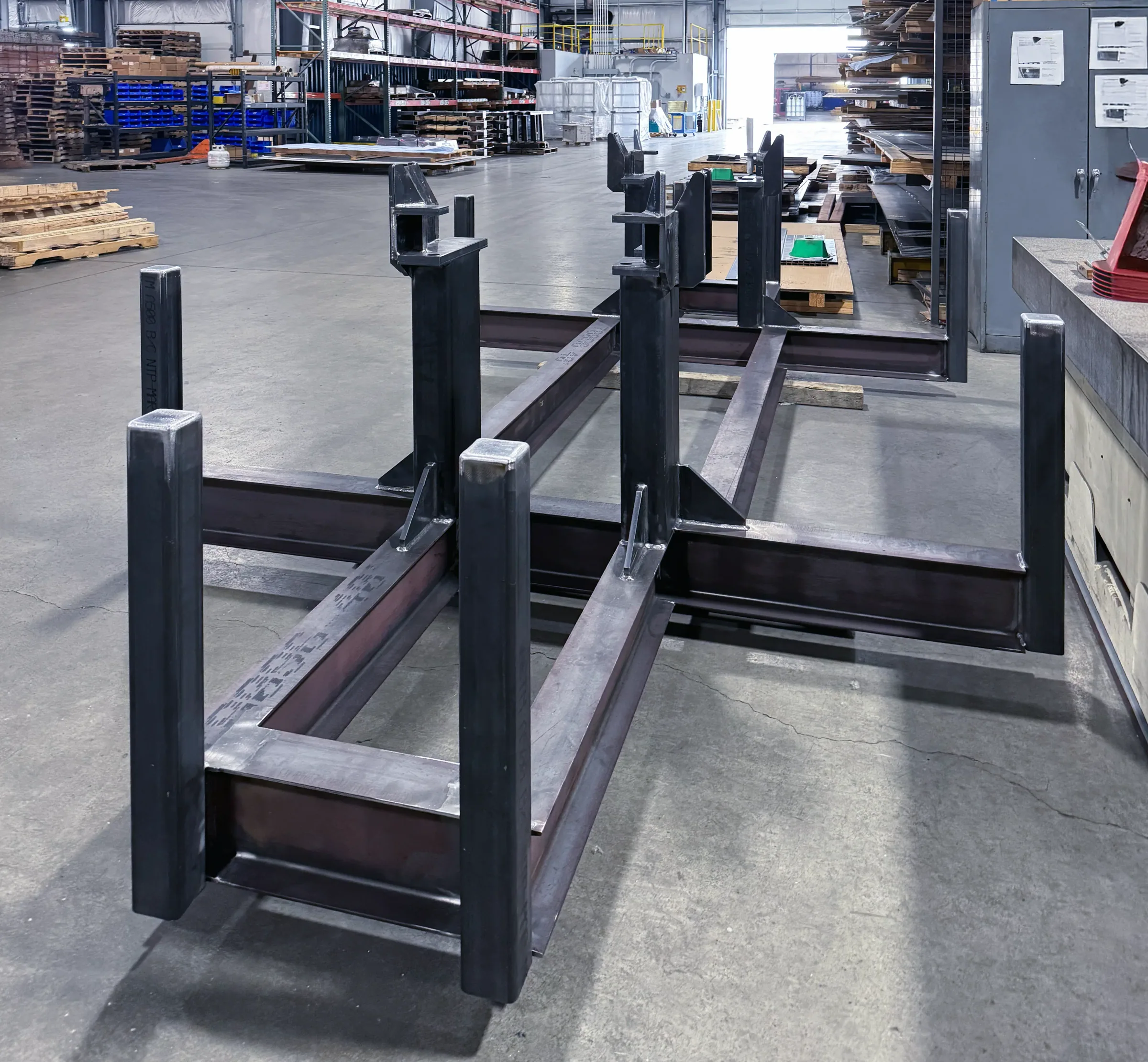
Cutting, coping, drilling and milling of HSS, wide flange beams, channels and other structural members.
All capabilities
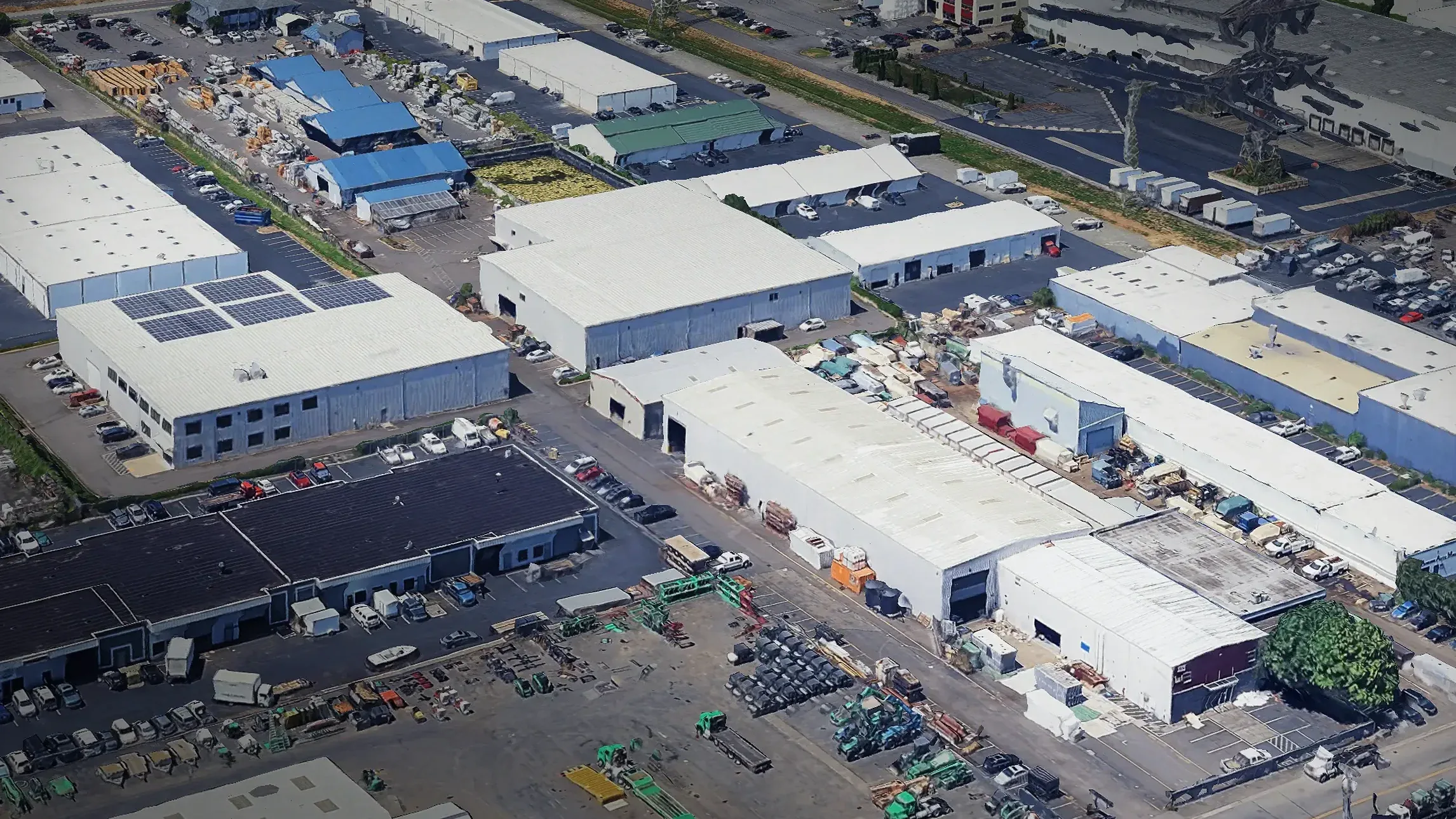
Laser cutting, machining, forming, welding, painting and assembly on one campus in Auburn, WA, with finishing through trusted partners.