
Capabilities Press brake forming
Press brake forming and sheet metal bending
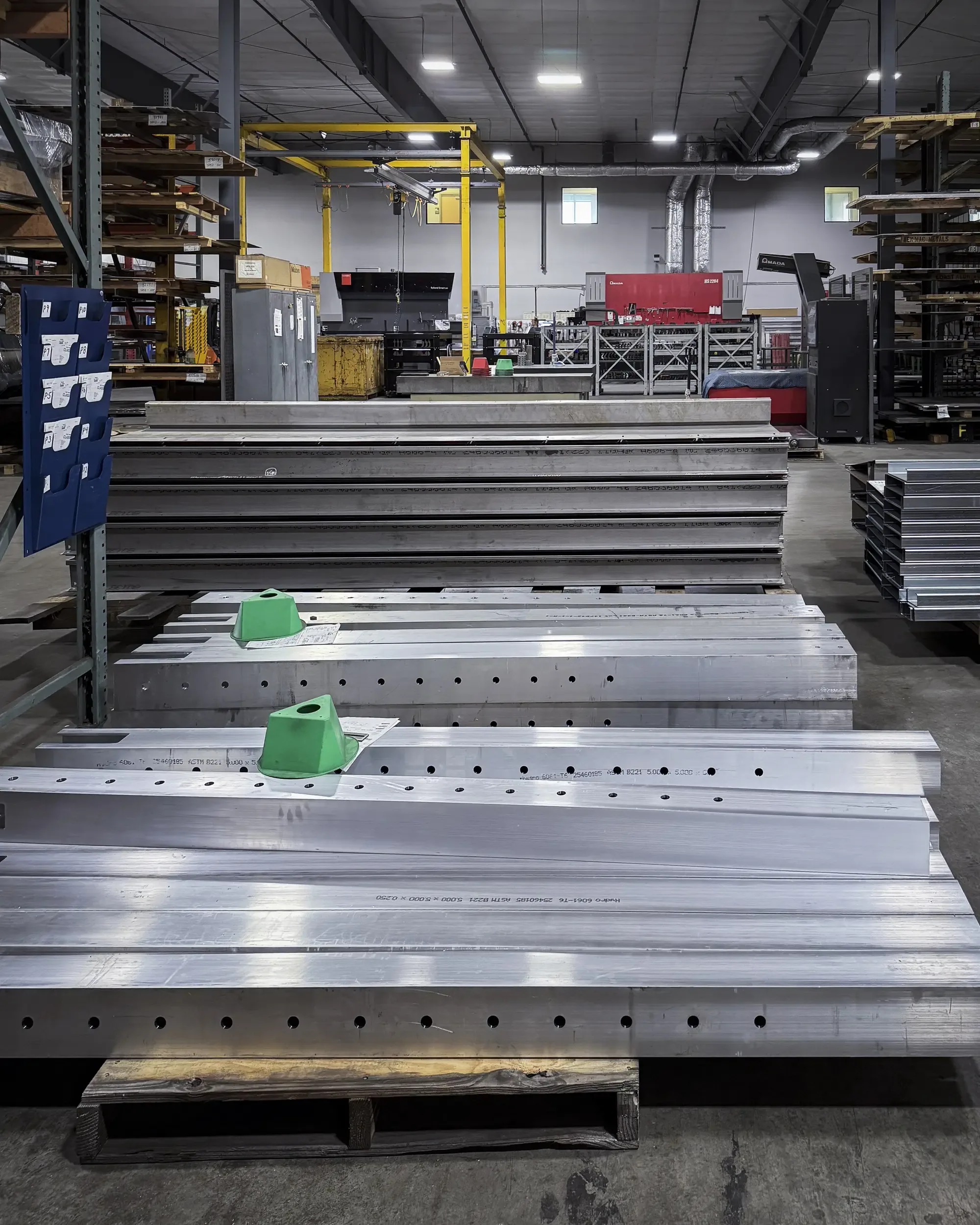
We form sheet, plate and structural parts on our press brakes in Auburn, WA, with over 14 feet of bending capacity. Our first press brake came in 1998, along with our first laser.
ISO 9001:201514 ft of brakeMill test reports
At a glance
From light gauge sheet to heavy plate, bent to your print.
- Bending capacity
- 14 ft+
- Light gauge to heavy plate
- Sheet → plate
Getting the flat pattern right
Bend deduction, from our own brake chart
A press brake puts a large amount of pressure on a part to bend it, and forming is an inexpensive way to put an angle on a part for fitment or other purposes. The part only comes out right if the flat blank was sized for the bend.
Our free bend deduction calculator works from LCNW’s measured press-brake factors, so you don’t have to guess a K-factor. Enter the angle, thickness and inside radius and it gives you the bend deduction and the flat blank length.
- The die sets the radius. In air bending, the inside radius comes from the V-die opening, about 15 to 16% of the opening in mild steel. Ask us which die we’ll use before you lock the flat pattern.
- Measure flanges to the virtual sharp, the outside corner the bend would have if it were square.
- Grain, temper and material all change the result, so bend a test piece if the fit is critical.
The tools page also has a gauge chart and a sheet and plate weight calculator.
What to send us
From blank to finished part
Send STEP, DXF or DWG files or a solid model, with a shop drawing that shows the material, thickness, bend details, hole placements and tolerances. If the part will be powder coated or painted, put the coating on the drawing so we plan for it before the part is bent.
When we laser-cut the blank here too, it goes from the laser to the brake without shipping between shops. After the brake, parts can go to CNC machining for tapped holes and milled features, to our welding building for assemblies, and out to our finishing partners. Many shops buy cut and formed blanks, kitted by job, and weld them in their own shop.
For repeat parts, ask about an OEM stocking program. See every process on the capabilities page.
Press brake forming FAQs
How long a part can you bend?
How do you calculate bend deduction?
What inside bend radius should I use?
Why doesn’t my formed part match the calculation?
Can formed parts be powder coated?
Can you send formed parts for us to weld?
Capabilities
More of what we do
Laser cutting
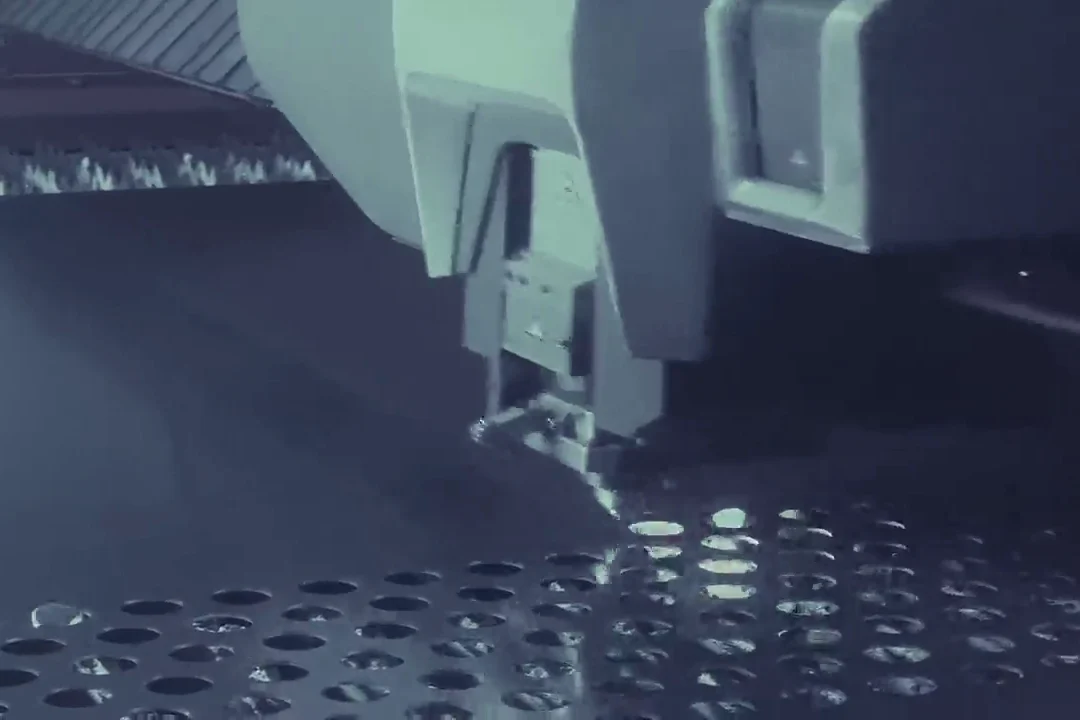
Steel, stainless and aluminum cut on a 30 kW laser with automated load and unload, from one prototype to production runs.
CNC machining
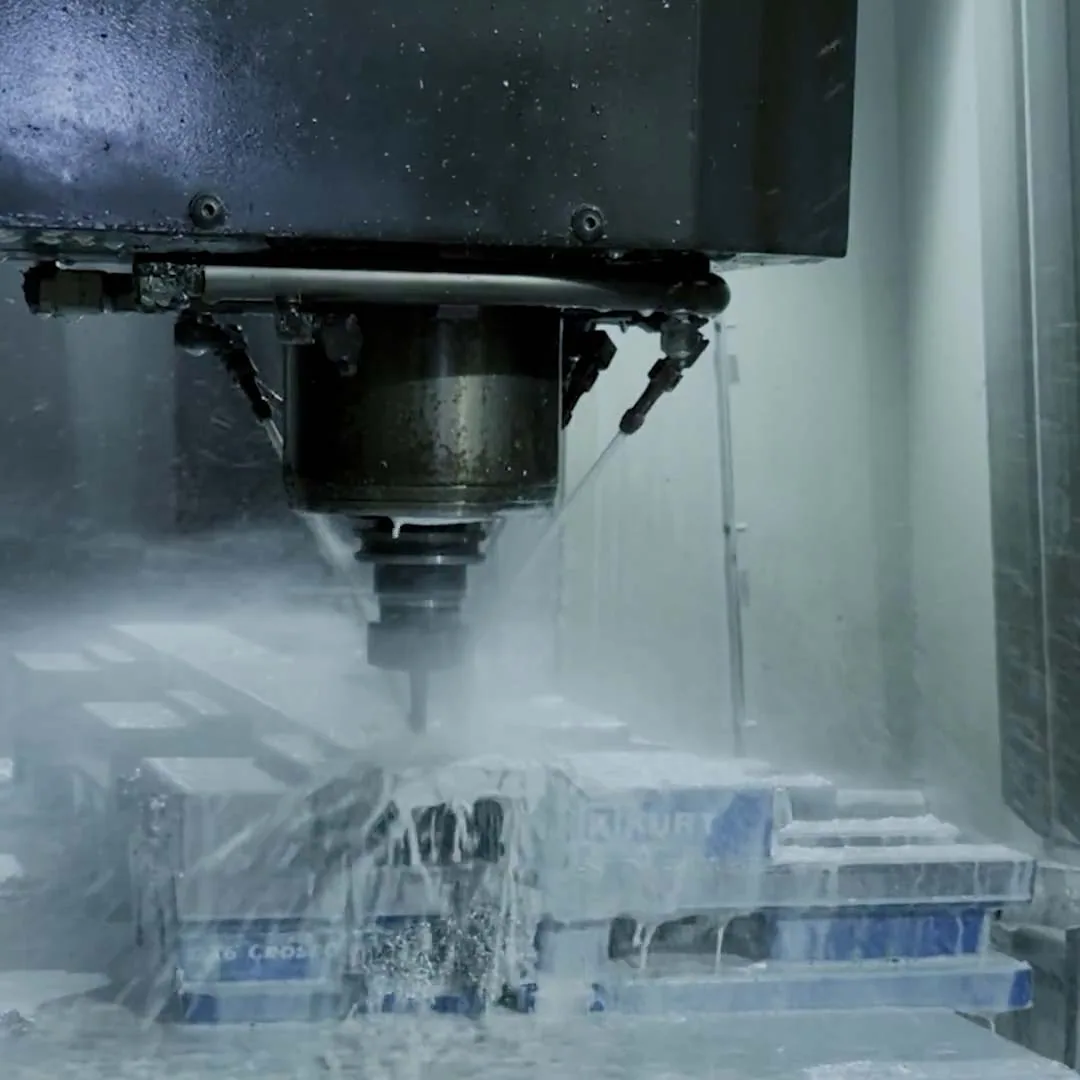
CNC milling for tight tolerances, tapped holes and partial-depth features, on parts we cut and form here or on your own stock.
Welding
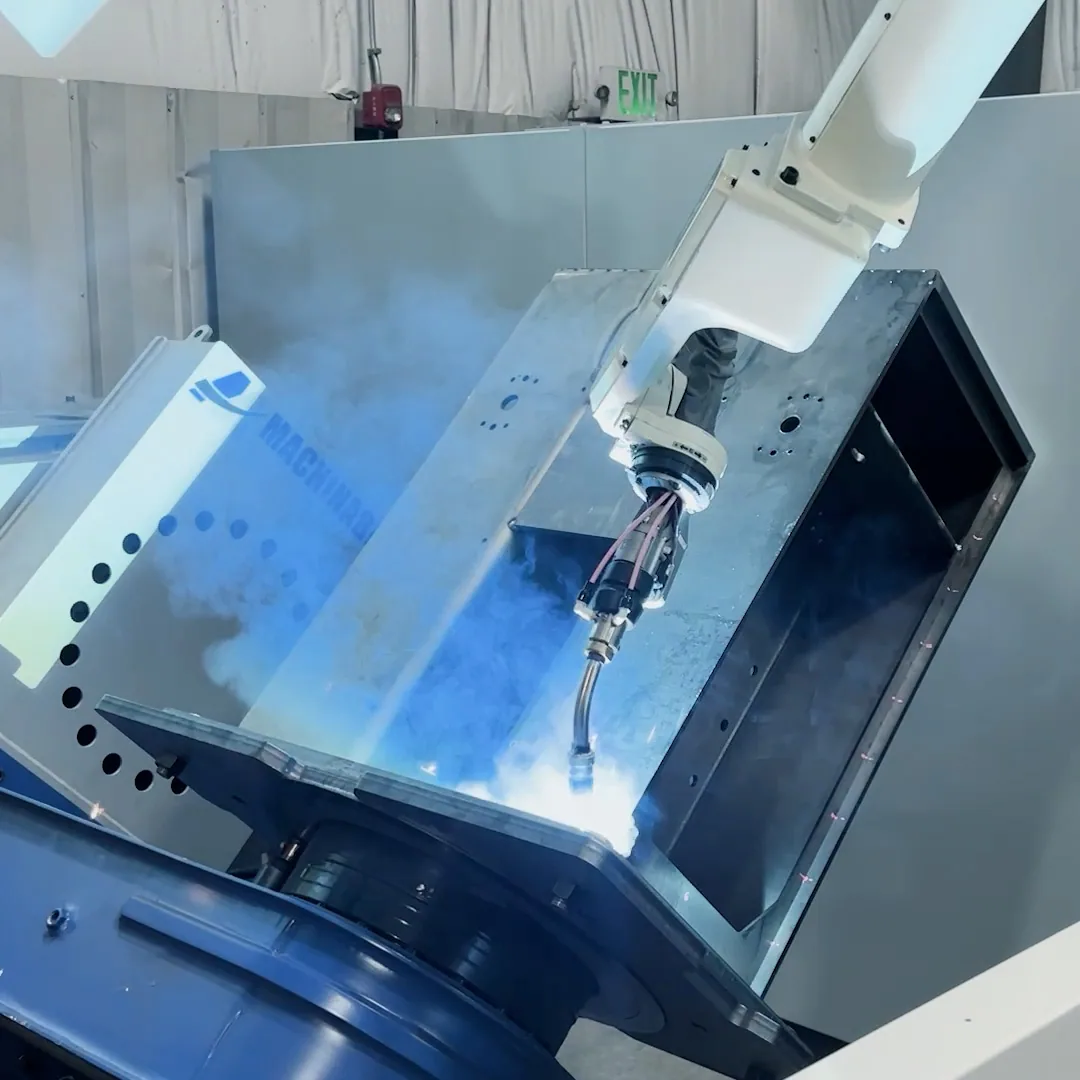
MIG, TIG and laser welding by hand, and four robotic welders, including a 62-foot system, for production runs and long assemblies.
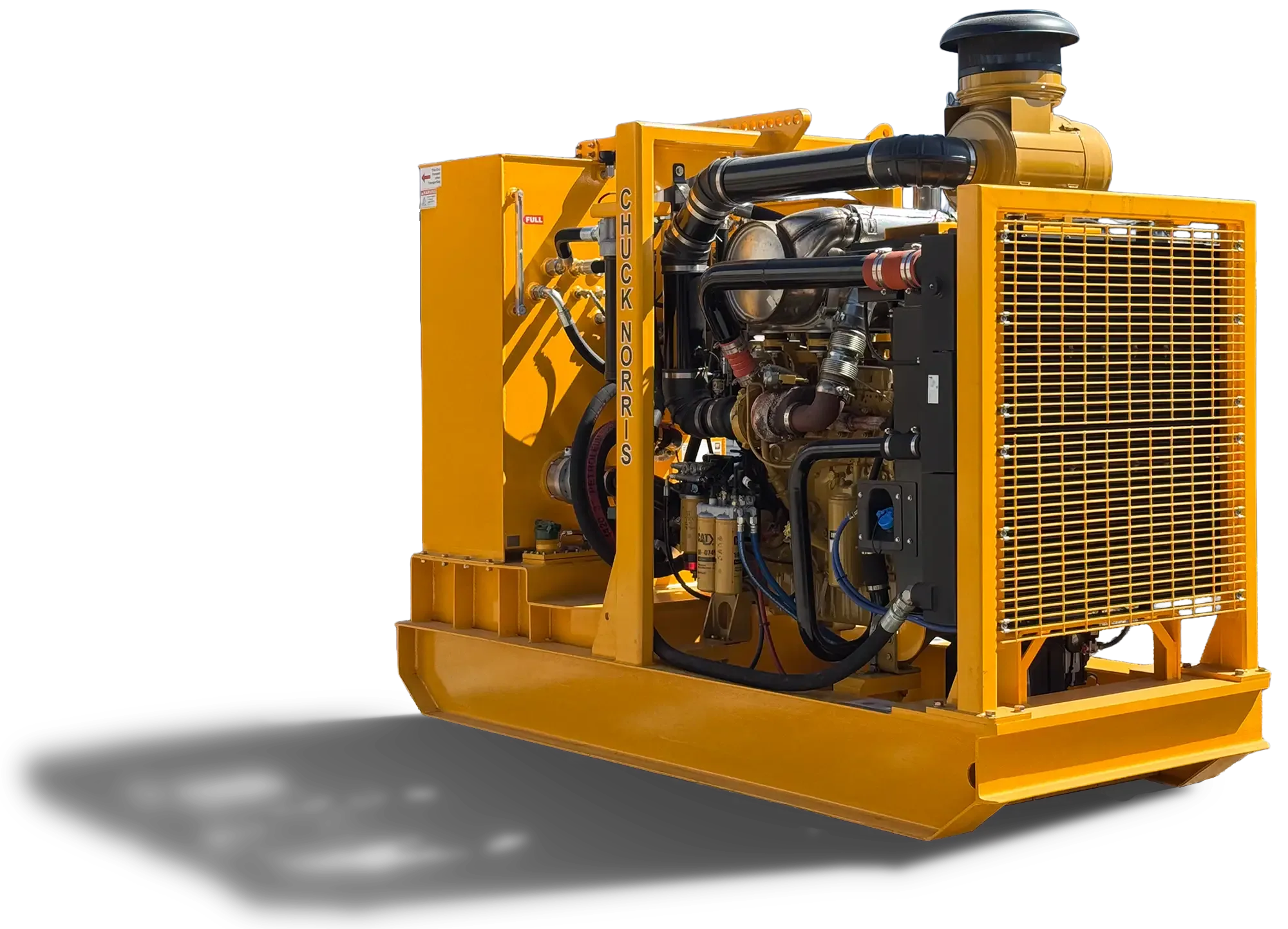
Industrial painting
Industrial priming and wet paint in our own booth, for parts and weldments up to about 40 by 15 feet.
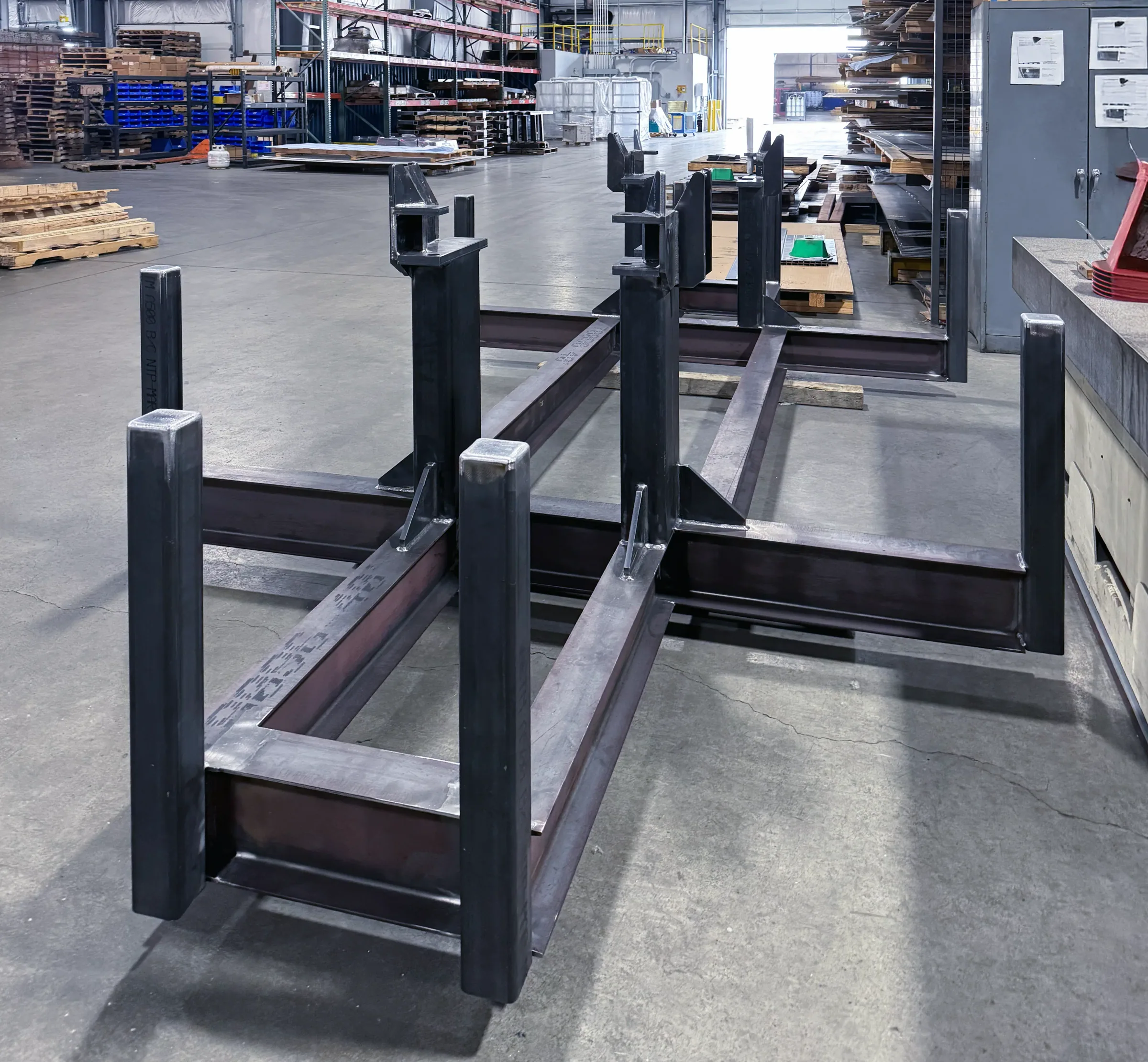
HSS & structural steel
Cutting, coping, drilling and milling of HSS, wide flange beams, channels and other structural members.
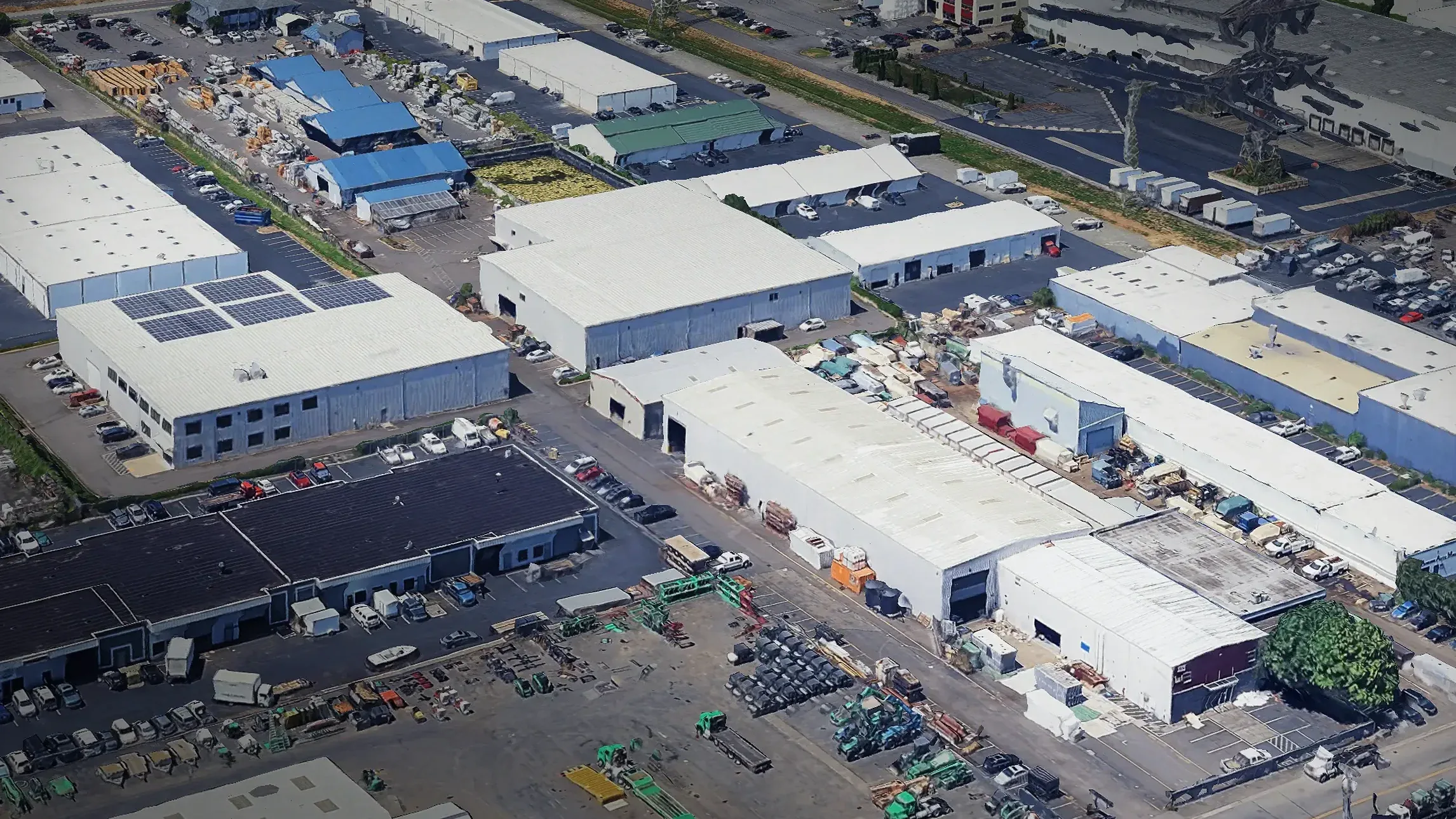
All capabilities
Laser cutting, machining, forming, welding, painting and assembly on one campus in Auburn, WA, with finishing through trusted partners.